Cannabis Education
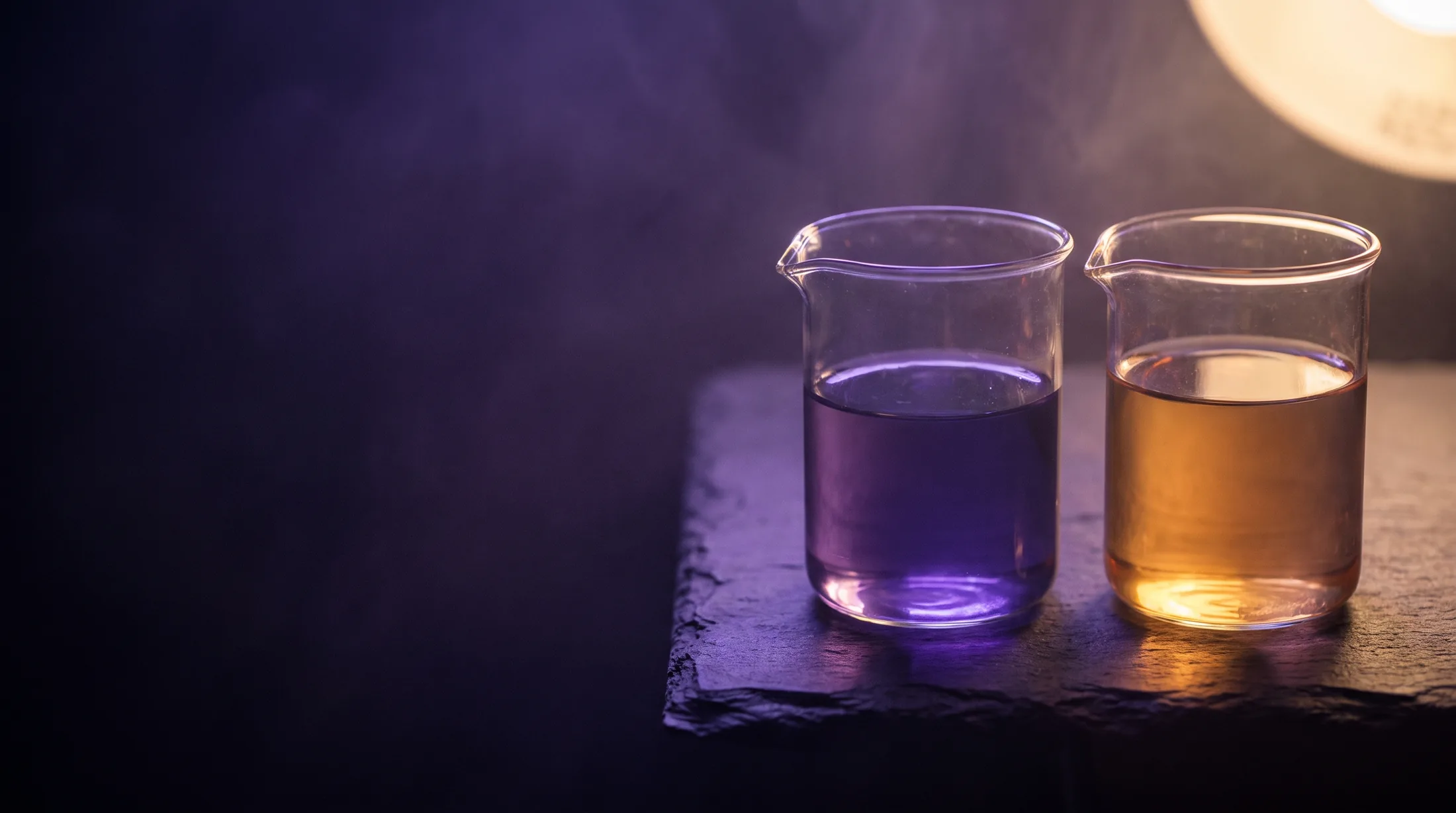
THC vs CBD
Two cannabinoids, fundamentally different experiences. Understanding how THC and CBD work -- alone and together -- is the foundation of informed cannabis use.
The Basics
The Chemical Difference
THC (delta-9-tetrahydrocannabinol) and CBD (cannabidiol) are both cannabinoids -- chemical compounds produced by the cannabis plant that interact with your body's endocannabinoid system. They share the exact same molecular formula (C21H30O2) but differ in atomic arrangement. That single structural variation creates entirely different effects.
THC
- Psychoactive -- produces the 'high'
- Binds directly to CB1 receptors in the brain
- Alters mood, perception, appetite, and pain response
- Regulated as the primary intoxicating compound
- Effects are dose-dependent and vary widely
CBD
- Non-intoxicating -- does not produce a high
- Modulates CB1 and CB2 receptors indirectly
- May reduce inflammation, anxiety, and seizure activity
- Can moderate THC's psychoactive effects
- Legal in more contexts due to non-intoxicating nature
THC Deep Dive
THC Effects by Dose
THC is not binary -- on or off. The experience scales with dosage and is heavily influenced by tolerance, terpenes, and individual biology.
Subtle mood lift, mild focus enhancement, slight relaxation. Most people remain fully functional.
Noticeable euphoria, enhanced sensory perception, moderate relaxation. One standard NY serving.
Strong psychoactive effects, altered time perception, impaired coordination. Regular users' typical range.
Intense effects, significant impairment, potential for anxiety in sensitive users. Experienced consumers only.
Very intense. Risk of adverse effects increases substantially for those without high tolerance.
Finding Your Balance
THC:CBD Ratios Explained
Rather than choosing between THC and CBD, many products offer specific ratios that combine both. The ratio determines the character of the experience.
High THC (20:1 or higher)
Maximum psychoactive effect with minimal CBD moderation. Standard recreational products. Best for experienced users seeking strong euphoria, creativity, or deep relaxation.
Best for: Experienced recreational consumers, strong effect seekers
THC-Dominant (5:1 to 10:1)
THC leads with a touch of CBD to smooth the edges. Often described as a more comfortable, less anxious version of pure THC. A good middle ground for those who find pure THC too edgy.
Best for: Users who want THC effects with reduced anxiety
Balanced (1:1)
Equal parts THC and CBD. The CBD significantly moderates THC's psychoactive intensity while preserving its benefits. Many medical patients prefer this ratio. Produces a gentle, clear-headed experience.
Best for: Beginners, medical users, anxiety-prone individuals
CBD-Dominant (1:5 to 1:20)
Minimal to no psychoactive effect. CBD's potential benefits -- anti-inflammatory, anxiolytic, neuroprotective -- take center stage. Trace THC may enhance CBD's effectiveness through the entourage effect.
Best for: Those seeking wellness benefits without intoxication
Licensed, lab tested, and answered in plain language.
Beyond THC and CBD
Minor Cannabinoids Worth Knowing
Cannabis produces over 100 cannabinoids. While THC and CBD dominate, three minor cannabinoids are increasingly featured in products and worth understanding.
CBN (Cannabinol)
Formed when THC ages and oxidizes. Mildly psychoactive. Commonly associated with sedation and sleep support, though research is still early. Often found in aged cannabis and sleep-focused products.
CBG (Cannabigerol)
The 'parent cannabinoid' from which THC and CBD are synthesized. Non-intoxicating. Early research suggests anti-inflammatory, antibacterial, and neuroprotective properties. Gaining popularity in wellness products.
THCV (Tetrahydrocannabivarin)
Structurally similar to THC but with different effects. At low doses, THCV may suppress appetite and provide clear-headed, energetic effects. At higher doses, it can be psychoactive. Sometimes called 'diet weed' in popular culture.
Practical Guidance
How to Choose Based on Your Needs
Start with your goal, then work backward to the right cannabinoid profile.
THC vs CBD at a Glance
THC vs CBD, quick facts.
- THC
- Psychoactive, produces a high
- CBD
- Non-intoxicating, does not produce a high
- NY Legal Status
- Both legal for adults 21+ from licensed dispensaries
- Common Ratios
- 1:1, 2:1, 4:1, 20:1 (CBD:THC)
- Best For Sleep
- THC + myrcene/linalool; sometimes CBN-blended formulas
- Best For Anxiety
- Higher-CBD ratios, start 2:1 or 4:1 CBD:THC
Will CBD get me high?
Can I take THC and CBD together?
Which is better for sleep?
Find the right cannabinoid balance
Our budtenders can help you navigate THC, CBD, and ratio products tailored to your experience level and goals.
This content is for educational purposes only and is not medical advice. Cannabinoid effects described are based on available research and individual experiences vary. Consult a healthcare professional for medical guidance. Purple Buds Dispensary is licensed by the NYS Office of Cannabis Management (OCM-RETL-25-000449).